Why Is My AC Not Cooling? 8 Common Causes for Bergen County Homes
Few things are more frustrating than an air conditioner that runs but never quite cools the house. The thermostat says 72, the unit is humming, and the air from the vents feels lukewarm. Before you call anyone, a few of these issues are things you can check yourself. The rest need a technician, and a couple should not wait. Here are eight reasons your AC may not be cooling and what to do about each.
Bergen County homes face a particular mix of conditions that make these problems common. Humid North Jersey summers force systems to work hard, many homes here run equipment that is a decade or more old, and older houses often have ductwork that was never sealed well. Knowing what to look for helps you tell the difference between a two-minute fix and a call you should make right away.
Quick checks before you call
Start with the simple stuff, because it solves the problem more often than you would think. Confirm the thermostat is set to cool and the target temperature is actually below the current room temperature. Make sure the breaker for the AC has not tripped, and check that the outdoor disconnect near the condenser is still switched on. Then look at your air filter. A clogged filter is the single most common cause of weak cooling, and replacing it takes two minutes. While you are at it, make sure none of your supply vents are closed or blocked by furniture, which can choke airflow to a whole floor.
8 reasons your AC isn’t cooling
If the quick checks did not fix it, the cause is usually one of the following. They produce the same symptom, warm or weak air, for very different reasons.
- Dirty air filter. A clogged filter starves the system of airflow, which weakens cooling and can freeze the indoor coil. This is the first thing to rule out.
- Low refrigerant or a leak. If the charge is low, the system cannot absorb heat from your home, so the air turns lukewarm. Low refrigerant almost always means a leak that needs to be found and sealed, not just topped off.
- Frozen evaporator coil. Low airflow or low refrigerant can ice over the indoor coil. Once it freezes, cooling stops until the system is shut off and allowed to thaw.
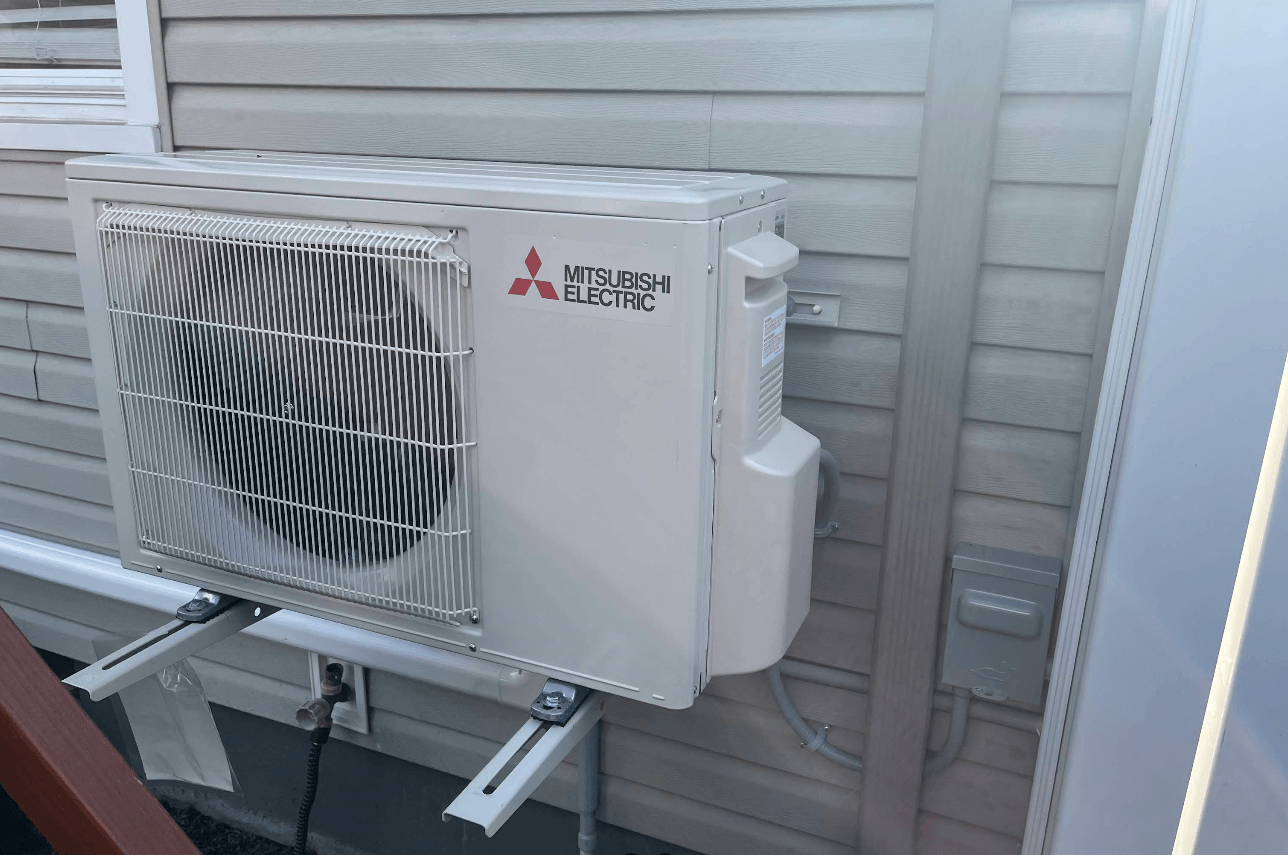
- Dirty outdoor condenser. The outdoor unit sheds your home’s heat. When the coil is caked with dirt, grass, or cottonwood, it cannot release that heat and cooling suffers.
- Failing capacitor or contactor. These small electrical parts start and run the compressor and fan motors. When one weakens, the system may run without actually cooling.
- Thermostat problems. A miscalibrated thermostat, dead batteries, or a wrong setting can leave the system idle when it should be cooling. A smart or failing thermostat is worth a closer look if everything else seems fine.
- Leaky or undersized ductwork. Cooled air can escape through gaps before it ever reaches your rooms, so the system runs hard while the house stays warm.
- Failing compressor. The compressor is the heart of the system. When it goes on an older unit, a major repair often costs enough that an AC replacement becomes the smarter value.
What you can fix and what needs a pro
Filters, thermostat batteries, and clearing debris around the condenser are all safe do-it-yourself tasks. Anything involving refrigerant, electrical components, or the compressor calls for a licensed technician. If you have worked through the quick checks and the air is still warm, a professional AC repair will pinpoint the fault quickly rather than leaving you to guess.
When it can’t wait until morning
A house that will not cool during a dangerous heat wave is more than an inconvenience, especially for older adults, infants, and pets. If your system fails on a brutally hot night, our 24/7 emergency service is available around the clock across North Jersey. You do not have to wait until business hours to get relief.
Most cooling failures are also preventable. A seasonal AC maintenance visit catches low refrigerant, weak capacitors, and dirty coils before they leave you sweating in July. The best time to find a small problem is in the spring, not during the first heat wave.
What a technician will check
When the quick fixes do not solve it, a technician works through the system in order rather than swapping parts at random. That means measuring refrigerant pressures to confirm the charge is correct, testing the capacitor and contactor, checking the compressor and condenser fan motor, and reading airflow across the coil. An electronic leak search finds the source of low refrigerant so it can be sealed instead of refilled.
This methodical approach matters because several of these causes produce the same warm-air symptom. Replacing a capacitor will not help a system that is actually low on refrigerant, and adding refrigerant to a leaking system only delays the real repair. A proper diagnosis saves you from paying for fixes that were never going to work.
It also protects the most expensive part of your system. Running an air conditioner that is low on refrigerant or starved for airflow puts strain on the compressor, and a failed compressor on an older unit can cost enough that replacing the whole system becomes the better value. Catching the smaller problem first is what keeps a minor repair from turning into a major one.
Frequently asked questions
Why is my AC running but blowing warm air?
The most common culprits are a dirty filter, low refrigerant, a frozen coil, or a dirty outdoor condenser. Start by checking and replacing the filter. If warm air continues, the system likely needs a technician to check refrigerant and the coil.
Should I turn off my AC if it is not cooling?
Yes, if you see ice on the unit or the system is short-cycling. Running a frozen or struggling AC can damage the compressor, which is the most expensive part to replace. Shut it down and call for service.
How often should I change my AC filter in summer?
During heavy summer use, check the filter monthly and replace it every one to three months. Homes with pets or allergy sufferers usually need the more frequent end of that range.
Need help from a local team? AMS Heating & Cooling serves Bergen County and Northern New Jersey from Ridgefield. Call (201) 886-2900 or request service online.